My Manufactured Home Guide

Seed and straw

Who does seed and straw around a mobile home?

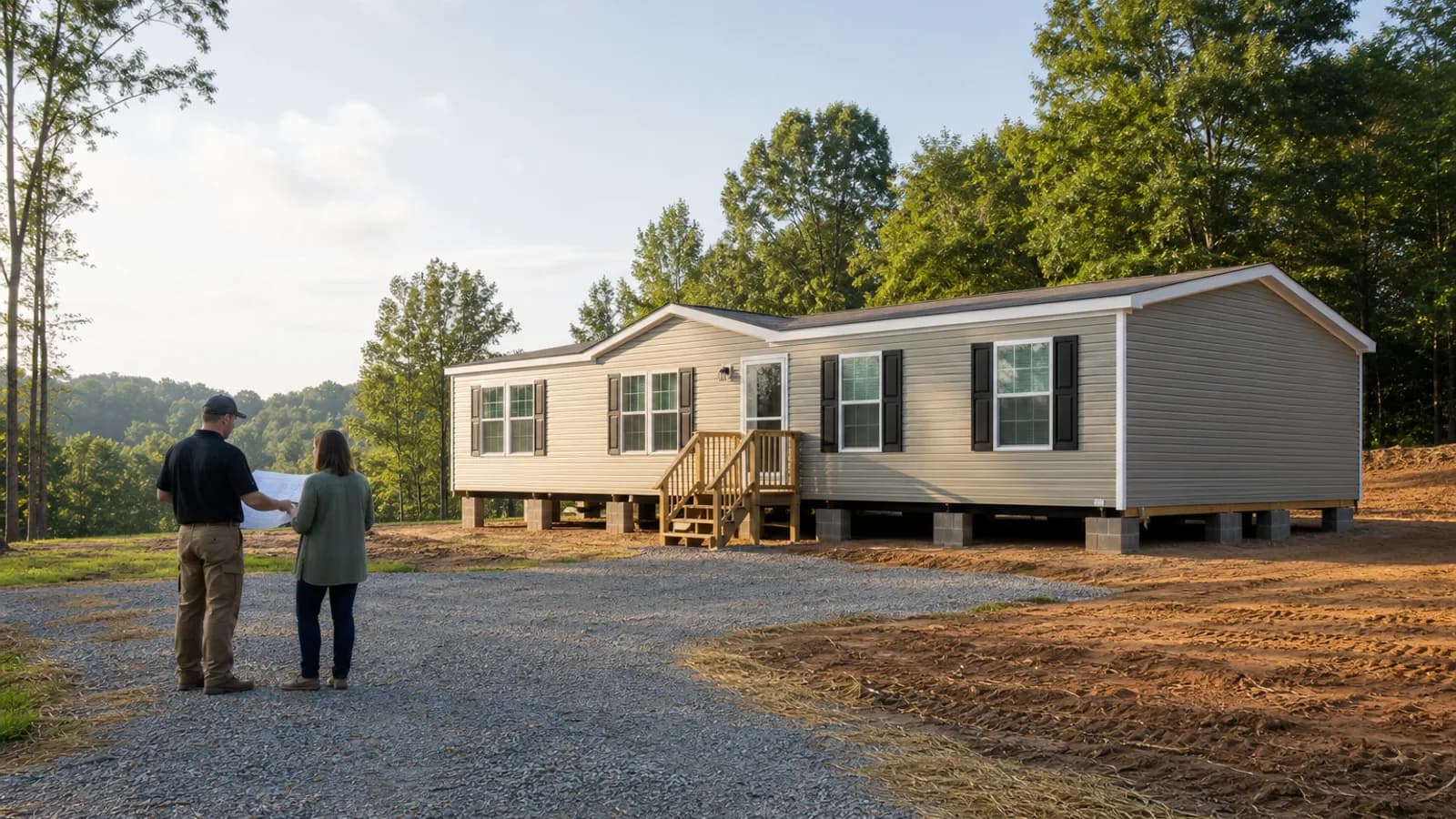
The grading contractor or a landscaper does the seed and straw — the grass seed and straw mulch that covers the bare dirt around a newly set home so the pad does not wash away before grass takes.

Short answer: After setup the ground around the home is bare, graded dirt, and the first hard rain moves it. Seed and straw is the quick fix: seed spread over the disturbed ground and straw laid over it to hold moisture and soil until the grass comes up. Sod is the faster, costlier version. On a sloped site the county may require soil stabilization — silt fence, matting or seeding on a schedule — and on a steep one an engineer or a stormwater inspector may be involved. The grading contractor often includes it; a landscaper does the rest.

Reviewed by a manufactured home setup contractor and dealer.
Manufactured Home Land Check

Buying land for a mobile home? The Land Check reads the county's own permit rules for the one parcel you give us, and says where each answer came from and when.

$125. Asking takes no payment and places no order.

Check this land before you buy it

What to check first

Start with the exact property, quote, record, or job detail behind your question. Mark what is confirmed, what still needs a current source, and who must answer it. Use the checklist to keep the next call, document, or decision clear.

Defined landscaping work that the provider confirms is within its actual services.

Coordination with the project stage, property conditions, written quote, and other provider responsibilities.

Follow-up, correction, documentation, or maintenance work only when the provider's scope specifically includes it.

Step 1

Current project stage, county, ZIP code, home status, land status, and timeline.

Step 2

Photos or notes showing the issue, work area, access, utilities, drainage, or installed home condition.

Step 3

Any dealer quote, contractor quote, inspection note, permit note, lender condition, or warranty document tied to the need.

Details to Sort

The checks that usually matter before you commit money.

Why it cannot wait

The pad was built to drain away from the home. Every rain on bare ground cuts channels, moves the fill, and can undermine the skirting and the piers at the low side. Covering the ground is part of finishing the grade, not decoration.

Seed and straw, sod or erosion control

Seed and straw is the default and is fine on a flat lot. Sod holds a slope immediately and costs more. Erosion control — silt fence, matting, check dams — is what the county asks for on steep or large disturbed areas, and the grading contractor knows the local rule.

Tell us the job and the ZIP. The request goes to the landscaping category, where contractors who do this work see it.

Request a seed and straw contractor

Secondary Support

Need more help understanding your situation?

Use the project router first, then share details for review if you still need help organizing the project context. This does not guarantee a provider match or availability.

Project Guide

Ask about seed and straw

Share a few details to get an immediate starting point, likely next steps, useful guides, and relevant contractor categories. You do not need to know the exact permit or contractor type yet.

Add more project details (optional)

These details can help, but you can leave this closed if you are not sure yet.

Common questions

Is seed and straw required?

Not by the state, for a typical lot. Counties can require soil stabilization on sloped or large disturbed sites, and a few include it in the final grade inspection. Ask the grading contractor what your county expects.

When should it be done?

As soon as the final grade is finished — after setup, skirting and steps, and before the next heavy rain if possible. Fall and early spring seeding takes best in North Carolina.

Can I do the seed and straw myself?

Yes, on a flat lot: seed, a light layer of straw, water. On a slope or where the county requires stabilization, a contractor who knows the requirement saves a failed inspection.