
Manufactured and Mobile Home Contractor Type
Mobile home septic providers in North Carolina
Tell me about your project. The quote is free.
I'll call you to learn about your project, then give you one price in writing for the work.
Prefer to talk?Call now8 AM–8 PM
A septic system for a mobile home starts with the county health department: a soil evaluation and an improvement permit for the lot, then a construction authorization that sets the tank and drain-field layout. The contractor installs to that permit, and the county inspects it before the home is connected. Tell us the land and the home, and we'll quote your septic work — free.
Last checked: October 22, 2026.
Septic providers may evaluate, design, install, repair, or connect an onsite wastewater system, depending on their qualifications and scope. Their work must stay coordinated with county environmental health requirements, the approved home location, the well or water source, grading, and access.
Septic
What this work is
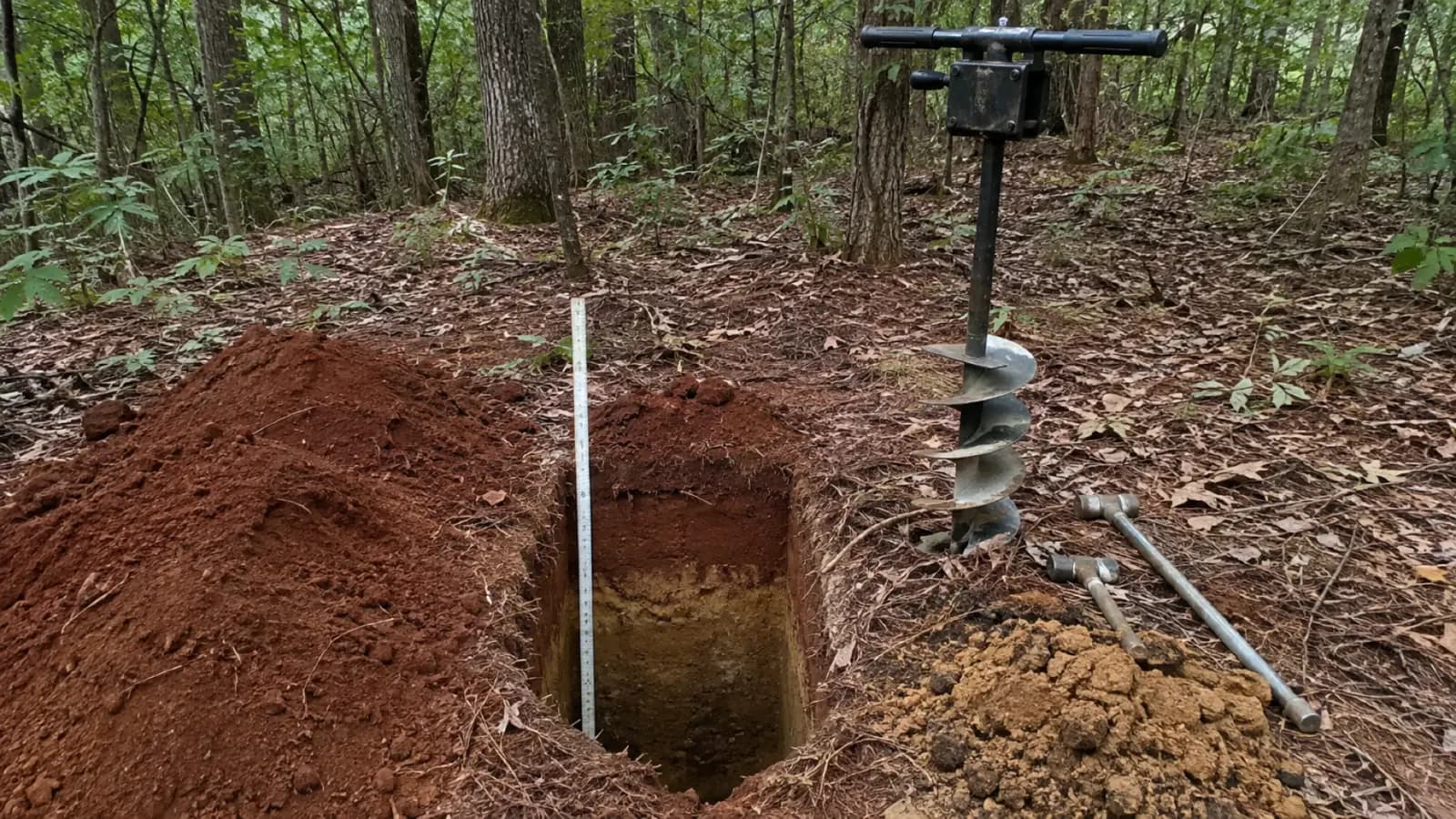
A septic contractor installs the tank and drainfield that the county environmental health permit allows, in the spot and to the design the permit shows.
In North Carolina
- After the Improvement Permit, county environmental health issues a Construction Authorization before installation; the system is inspected before it is covered, and an Operation Permit is issued before it is used.
- Installers in North Carolina must hold certification from the state's On-Site Wastewater Contractors and Inspectors Certification Board.
- Some system types carry ongoing operation or inspection duties that the owner takes on.
What goes wrong
- The tank goes in before the Construction Authorization is issued.
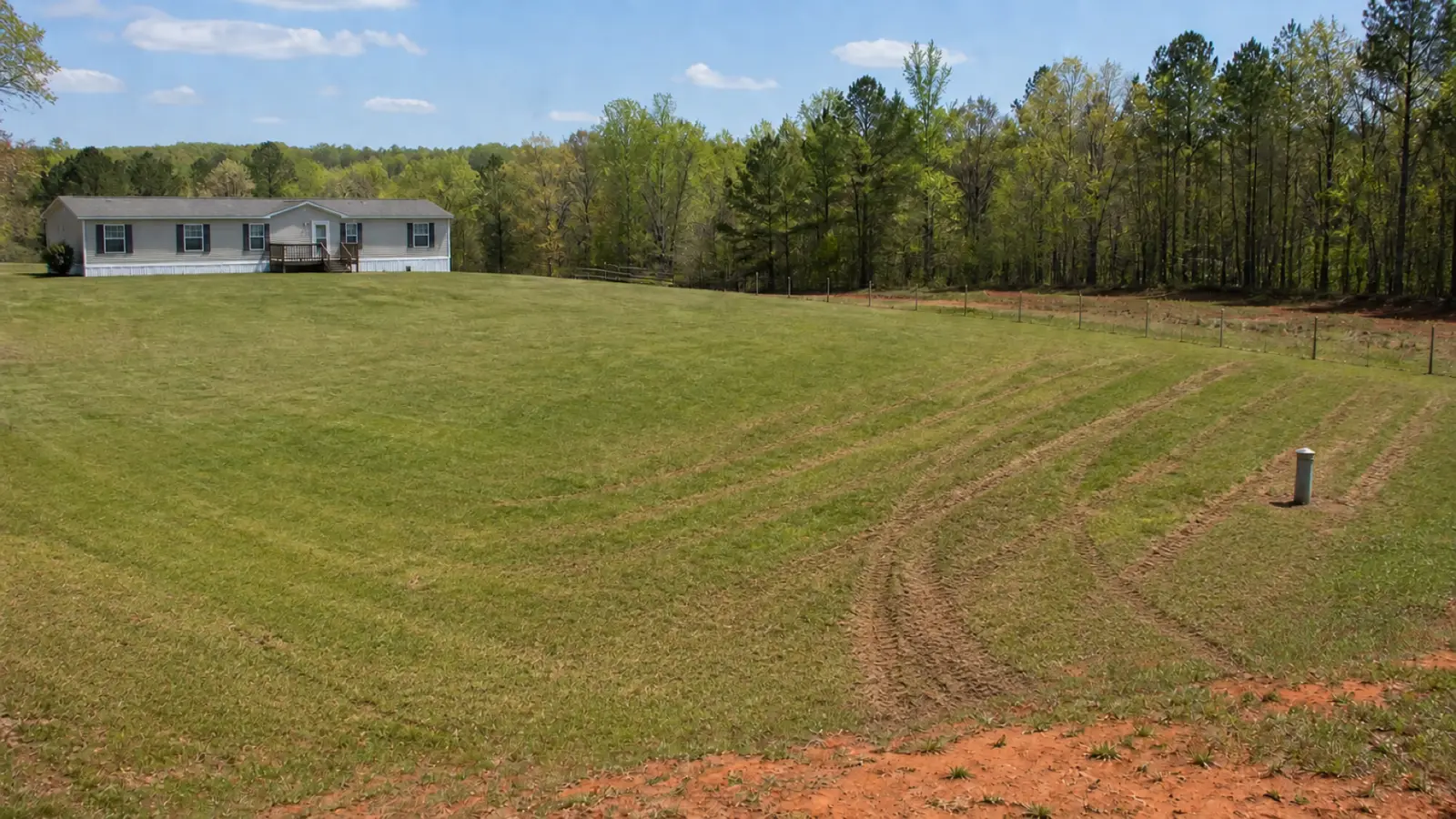
- The transporter or the graders drive over the drainfield area.
- The home's drain does not line up with the tank inlet.
- The system type the site allows costs more than the budget assumed.
What to ask
- Do you have the Construction Authorization in hand?
- Where exactly does the drainfield go, and how will it be protected while the home is transported in?
- Where will the tank inlet be relative to the home's drain?
- Who schedules the environmental health inspection?
When in the project
- The soil evaluation and Improvement Permit come before the land purchase, if possible.
- Installation follows the Construction Authorization, before or after the home is set depending on access.
- The Operation Permit comes before anyone lives in the home.
Where this fits in the build
This work is perc and septic.
What to look for
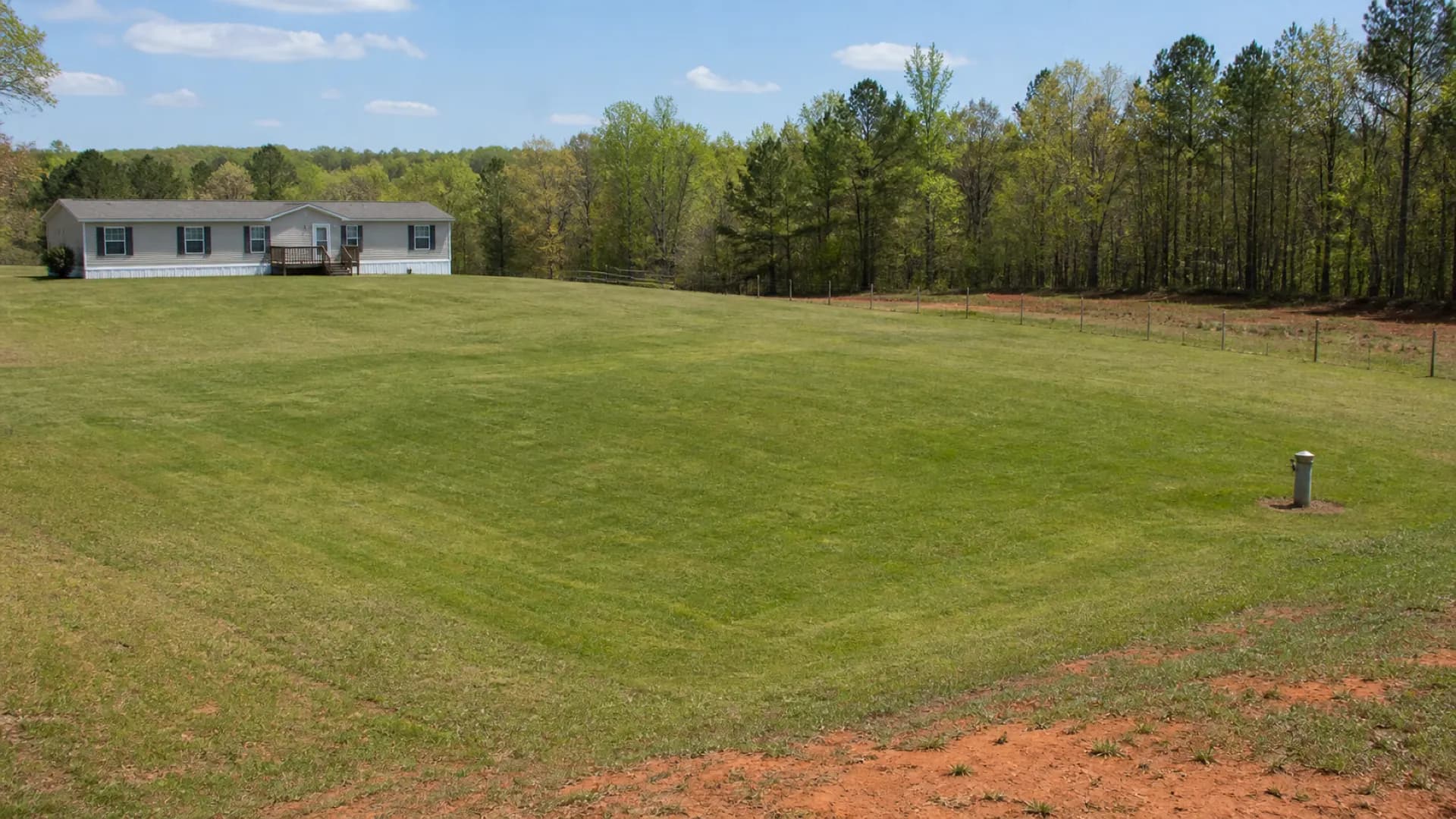
Two photographs, and the difference between them
The drainfield: what should and should not be on it
A drainfield is buried pipe in trenches of gravel. Nothing shows above ground except grass, which is exactly why it gets driven over.
Related Project Stages
Where this provider type may fit
This category often fits during land feasibility and before final home placement, permits, site work, or transport scheduling. A septic approval or existing-system review can affect bedroom count, usable area, foundation location, and the rest of the site plan.
Some projects may not need this provider type. Use the stage links below to understand the timing before assuming the work is needed, included, or ready to schedule.
What this provider type may help with
Soil, site, design, installation, repair, or connection work within the provider's documented scope.
Coordination with approved wastewater plans, system locations, setbacks, and inspection requirements.
Existing-system questions when a mobile home will use or replace a prior structure's septic system.
Project stages this provider type usually relates to
These stage links are educational routing labels. They do not show provider results or assign a business to your project.
Homeowner Scope Check
When this may come up
The property does not have public sewer and septic feasibility is not yet confirmed.
An existing system needs records, capacity, condition, or connection review before reuse.
The approved system must be installed or connected before occupancy-related inspections can close.
Questions to ask
- 1Which septic services do you perform, and which require a separate designer, evaluator, installer, or county approval?
- 2What approved documents and site markings do you need before quoting or starting work?
- 3Who schedules required inspections and handles corrections if field conditions differ from the plan?
- 4How will your work protect the repair area, well setbacks, drainage, driveway, and home foundation area?
Things to gather
- 1Property address or parcel identification and the county environmental health contact.
- 2Any improvement permit, construction authorization, site plan, soil report, or existing septic record.
- 3Proposed home size, bedroom count, footprint, driveway, well, and utility locations.
- 4Known access limits, slopes, wet areas, easements, prior failures, or repair-area restrictions.
What may affect cost or timing
Compare the full mobile home project costCommon Questions
Septic for a mobile home, answered.
What can a septic provider for a mobile home help with?
Septic providers may evaluate, design, install, repair, or connect an onsite wastewater system, depending on their qualifications and scope. Their work must stay coordinated with county environmental health requirements, the approved home location, the well or water source, grading, and access.
What affects the cost when I need a septic provider for a mobile home?
Provider pricing and scheduling can depend on site conditions, documents, timing, access, materials, local requirements, and the exact work being requested. Ask for written scope before comparing numbers. Project stage, location, access, timing, materials, and provider scope. Whether the work is new, corrective, repair, finish, or post-install service work. Permit, inspection, utility, lender, insurance, warranty, or local requirements. How much coordination is needed with adjacent provider categories.
When in my project should I contact a septic provider for a mobile home?
This category often fits during land feasibility and before final home placement, permits, site work, or transport scheduling. A septic approval or existing-system review can affect bedroom count, usable area, foundation location, and the rest of the site plan.
Related homeowner checklists
Related homeowner paths
Related guides
Other provider types that may be involved
Helpful Next Step
Get help understanding what type of provider may fit.
For North Carolina Providers
Provide Septic services in North Carolina?
We send these jobs to contractors in the homeowner's county. We hire subcontractors and pay them directly for the work.
Next Step
Keep this provider type in context.
Use the planner, dealer quote questions, or county/code library to understand when this scope may matter.
Land question first?
Can My Land Work?
Review zoning, septic or sewer, water, access, utilities, site prep, dealer quote, and setup questions before assuming the land works.
Preparing land for transport?
Site Preparation Checklist
Organize clearing, grading, driveway access, poured footers, the setup workspace, and dealer quote questions.
Transport coming into focus?
Before Transport Checklist
Sort access, site preparation, poured footers, setup, utility connections, who does each job, and local process questions.
Utility questions unclear?
Septic, Well, and Utilities
Organize septic or sewer, well or water, electric, plumbing, HVAC, propane/gas, dealer scope, and local process questions.
Setup or final questions?
Setup and Inspection Readiness
Organize setup contractor, foundation, utilities, decks, stairs, skirting, trim-out, inspection, and dealer-scope questions.
Checking NC guidance?
NC Installation Manual
Understand how the NC Installation Manual, NC OSFM, county/local AHJs, manufacturer instructions, and the professionals who do the work fit together.
Reviewing a quote?
Dealer Quote Questions
Separate what may be included, excluded, estimated, or assigned to another party before you sign.
Checking local requirements?
County / Code Library
Use source-backed starting points for county, local AHJ, utility, septic, well, and inspection questions.
No account needed
Get a free quote
Need help with the rest of the job, not just this trade? Tell me where your project is and I'll call you.
What My Manufactured Home Guide Does
My Manufactured Home Guide helps homeowners understand the manufactured-home project path, organize questions, and identify provider types that may be involved.