
Manufactured and Mobile Home Contractor Type
Masonry, block, and foundation providers for manufactured homes
Masonry / Block / Foundation providers may perform footings, piers, block, perimeter walls, slabs, pads, or related foundation work within their confirmed scope. The engineered or approved installation design, site conditions, home specifications, setup responsibilities, and inspection sequence control the work.
Masonry / Block / Foundation request
Tell us what you need. No account needed.
Where this fits in the build
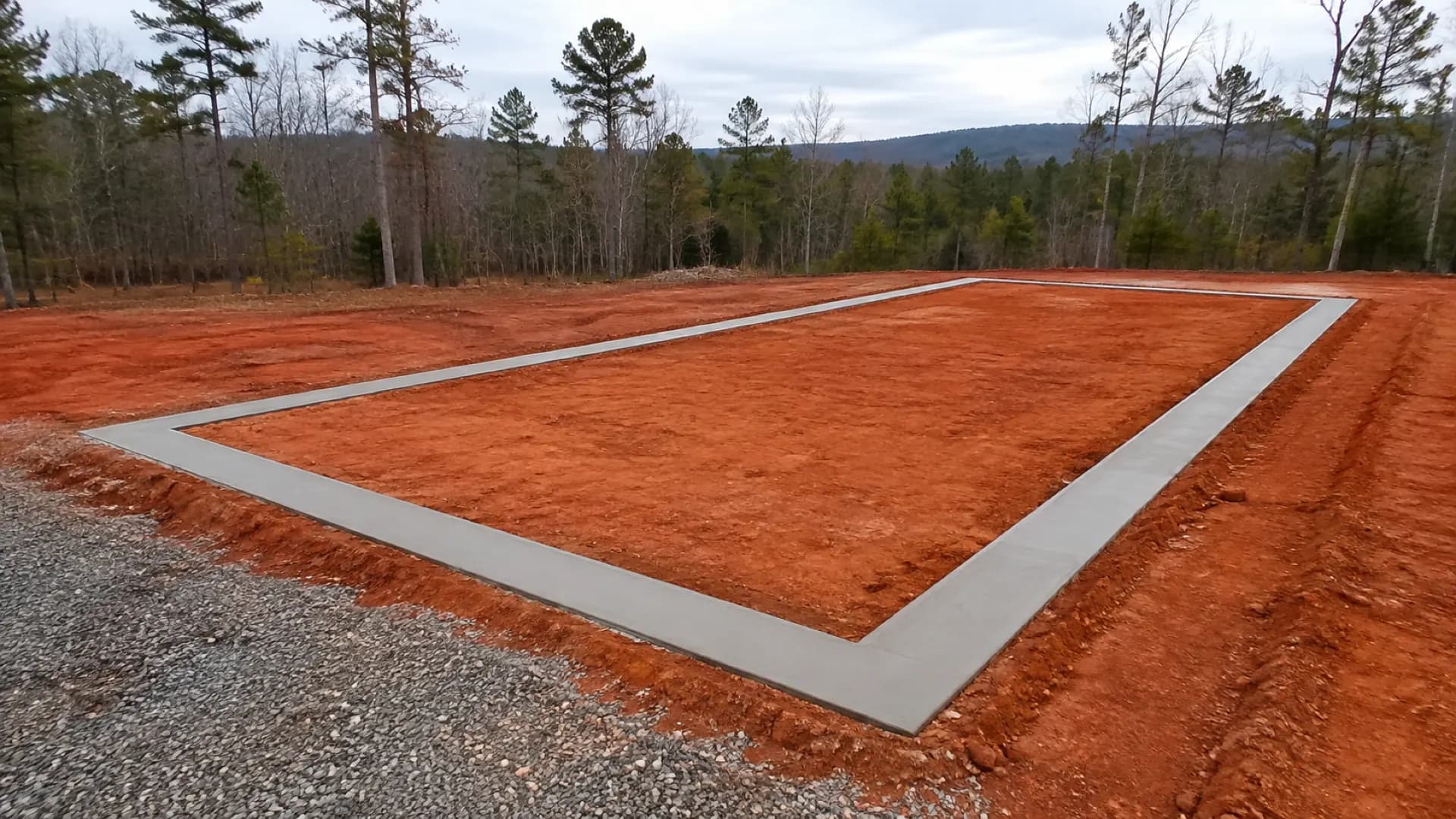
This work is footers.
What to look for
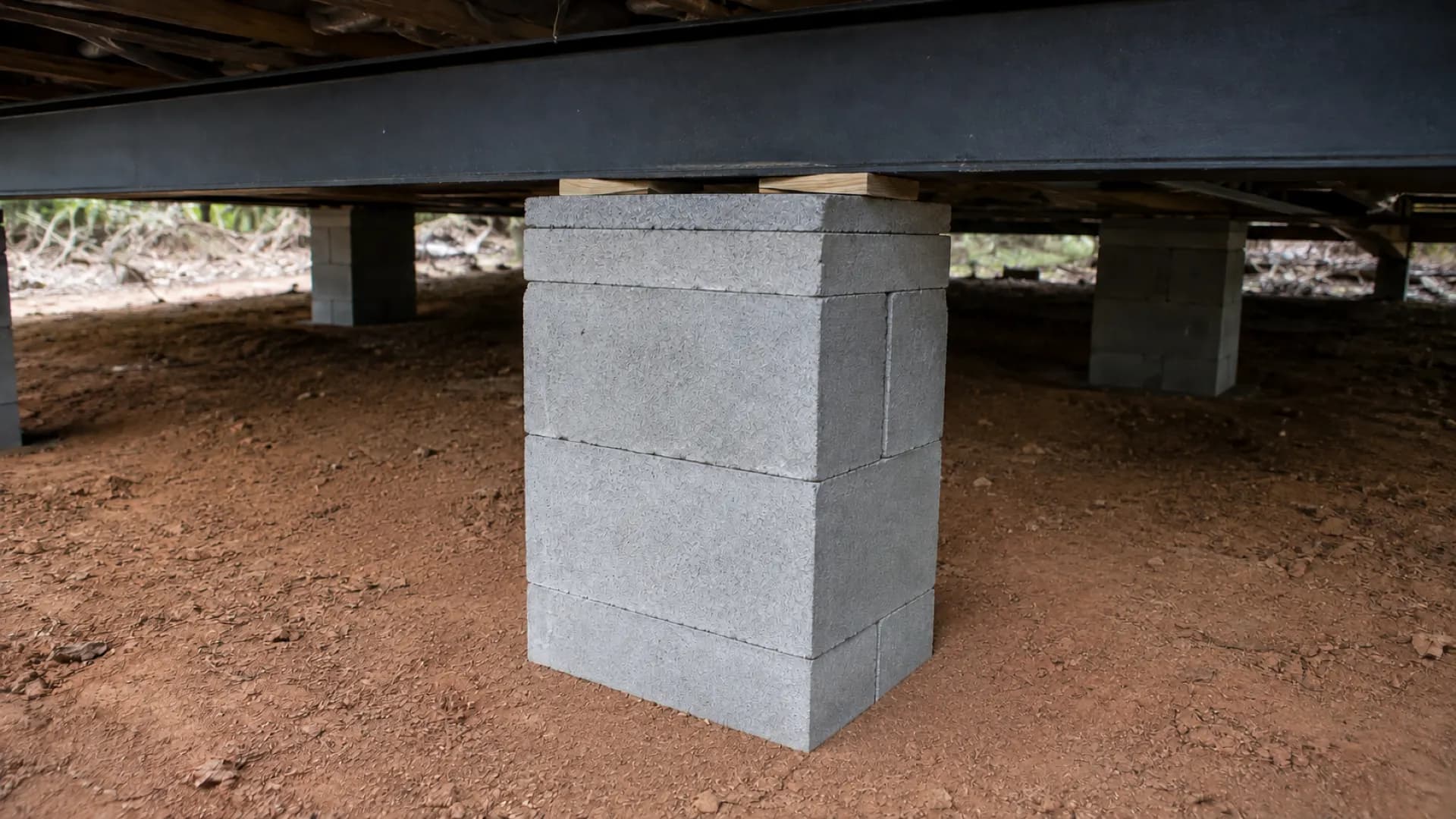
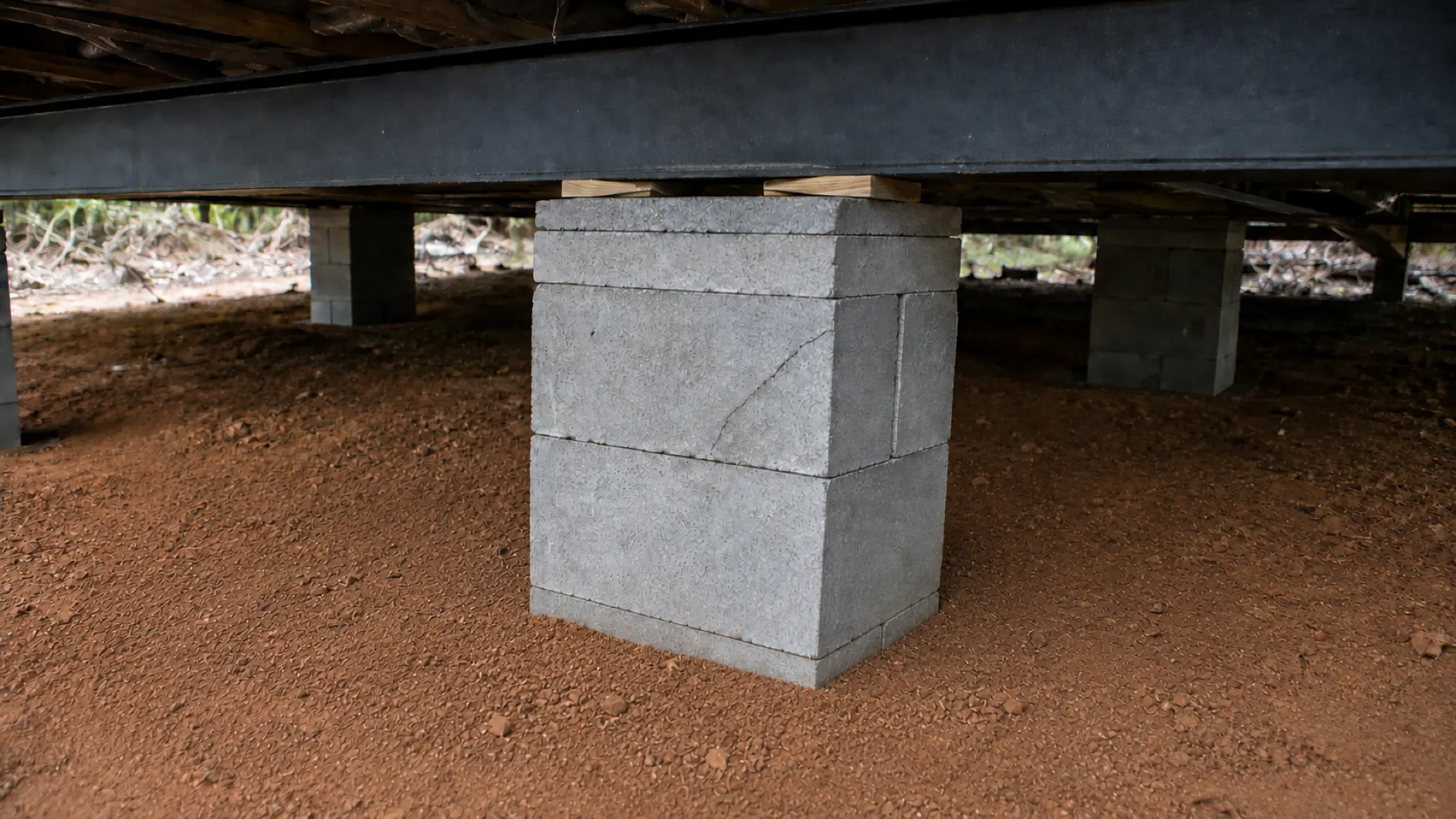
Two photographs, and the difference between them
Block piers: what a sound pier looks like
The home sits on these. A homeowner sees a stack of blocks either way; a mason or setup contractor sees whether it will move.
Related Project Stages
Where this provider type may fit
This category usually fits after site layout and foundation requirements are established and before or during home setup. Some perimeter enclosure or corrective work may follow the initial set, but inspection access must be preserved.
Some projects may not need this provider type. Use the stage links below to understand the timing before assuming the work is needed, included, or ready to schedule.
What this provider type may help with
Approved footing, pier, block, masonry, slab, pad, or perimeter-foundation work when included.
Material and elevation work coordinated with the home installation manual or engineered design.
Foundation corrections and inspection closeout within the provider's documented responsibility.
Project stages this provider type usually relates to
These stage links are educational routing labels. They do not show provider results or assign a business to your project.
County and Code Starting Points
Understand local questions that may affect this provider type.
Some county, utility, environmental health, setup, or final inspection readiness questions may affect when this category is needed. The library organizes source links and questions to verify locally.
See county and code starting pointsSite Preparation Context
Understand how this category may fit site preparation.
Use the site preparation checklist to organize land, access, utility, setup, dealer quote, and local verification questions before assuming this provider category is needed or scheduled.
Review site preparation questionsPre-Delivery Context
Understand how this fits before delivery.
Some projects need land-use, septic or sewer, water, driveway, access, site preparation, utility, dealer responsibility, setup, or local process questions organized before delivery timing is treated as dependable.
See what may need to happen before deliverySetup And Inspection Context
Understand how this fits into setup and final readiness.
Setup and final readiness can involve provider scope, dealer responsibility, foundation questions, utility handoffs, decks, stairs, skirting, trim-out, and local inspection steps. Use the guide to gather questions before assuming this category is needed or included.
Review setup and inspection-readiness questionsNorth Carolina Source Context
Understand how state and county guidance may fit.
North Carolina setup, utility, foundation, environmental health, and inspection questions can involve statewide installation guidance, NC OSFM, county/local AHJs, manufacturer instructions, licensed professionals, and utility companies. Use the guide to organize source-backed questions before assuming this category is needed or included.
Review North Carolina installation guidance starting pointsHomeowner Scope Check
When this may come up
The approved installation requires masonry, block, concrete, footings, piers, or a perimeter foundation.
The installer, dealer, engineer, lender, or local office identifies a separate foundation scope.
Inspection corrections involve dimensions, materials, supports, access, or foundation completion.
Questions to ask
- 1Which excavation, forming, reinforcement, concrete, block, pier, drainage, access, and inspection tasks are included?
- 2What approved design, manufacturer instructions, elevations, soil information, and home dimensions will you follow?
- 3Who coordinates the installer, engineer, grading provider, utilities, termite treatment, and inspection sequence?
- 4How are weather, unsuitable soil, material quantities, elevation changes, and correction work priced?
Things to gather
- 1Approved foundation or installation plan, engineered details, home manual, dimensions, and serial/model information.
- 2Survey, elevations, soil or compaction information, permit conditions, and inspection requirements.
- 3Site access, excavation status, drainage plan, utility penetrations, crawl access, and setup schedule.
- 4A responsibility map separating grading, excavation, masonry, setup, anchoring, enclosure, and corrections.
Cost And Scheduling Context
What may affect cost or timing
Provider pricing and scheduling can depend on site conditions, documents, timing, access, materials, local requirements, and the exact work being requested. Ask for written scope before comparing numbers.
Project stage, location, access, timing, materials, and provider scope.
Whether the work is new, corrective, repair, finish, or post-install service work.
Permit, inspection, utility, lender, insurance, warranty, or local requirements.
How much coordination is needed with adjacent provider categories.
Common Questions
Masonry / Block / Foundation for a mobile home, answered.
What can a mobile home foundation contractor help with?
Masonry / Block / Foundation providers may perform footings, piers, block, perimeter walls, slabs, pads, or related foundation work within their confirmed scope. The engineered or approved installation design, site conditions, home specifications, setup responsibilities, and inspection sequence control the work.
What affects the cost when I need a mobile home foundation contractor?
Provider pricing and scheduling can depend on site conditions, documents, timing, access, materials, local requirements, and the exact work being requested. Ask for written scope before comparing numbers. Project stage, location, access, timing, materials, and provider scope. Whether the work is new, corrective, repair, finish, or post-install service work. Permit, inspection, utility, lender, insurance, warranty, or local requirements. How much coordination is needed with adjacent provider categories.
When in my project should I contact a mobile home foundation contractor?
This category usually fits after site layout and foundation requirements are established and before or during home setup. Some perimeter enclosure or corrective work may follow the initial set, but inspection access must be preserved.
Related homeowner checklists
Related homeowner paths
Other provider types that may be involved
Helpful Next Step
Get help understanding what type of provider may fit.
Share the stage, county, ZIP, and question you are trying to sort. This does not show provider results, send details to providers, or promise a provider response.
For North Carolina Providers
Provide Masonry / Block / Foundation services in North Carolina?
Apply to join the My Manufactured Home Guide Contractor & Provider Network. Joining expresses interest only; it does not create a public profile, territory, lead access, customer access, or project access.
Next Step
Keep this provider type in context.
Use the planner, roadmap, dealer quote questions, county/code library, or project request path to understand when this scope may matter.
Land question first?
Can My Land Work?
Review zoning, septic or sewer, water, access, utilities, site prep, dealer quote, and setup questions before assuming the land works.
Preparing land for delivery?
Site Preparation Checklist
Organize clearing, grading, driveway access, septic or sewer, water, utilities, setup workspace, and dealer quote questions.
Delivery coming into focus?
Before Delivery Checklist
Sort land-use, septic or sewer, water, access, site prep, utilities, dealer responsibility, setup, and local process questions.
Utility questions unclear?
Septic, Well, and Utilities
Organize septic or sewer, well or water, electric, plumbing, HVAC, propane/gas, dealer scope, and local process questions.
Setup or final questions?
Setup and Inspection Readiness
Organize setup contractor, foundation, utilities, decks, stairs, skirting, trim-out, inspection, and dealer-scope questions.
Checking NC guidance?
NC Installation Manual
Understand how the NC Installation Manual, NC OSFM, county/local AHJs, manufacturer instructions, and licensed professionals fit together.
Not sure where to start?
Project Planner
Find your current stage, likely next steps, provider types, documents to gather, and delay risks.
Trying to see the whole path?
Full Project Roadmap
Review the stage-by-stage project sequence from planning and land through setup and move-in.
Reviewing a quote?
Dealer Quote Questions
Separate what may be included, excluded, estimated, or assigned to another party before you sign.
Checking local requirements?
County / Code Library
Use source-backed starting points for county, local AHJ, utility, septic, well, and inspection questions.
No account needed
Request Contractor Help
Tell us the work and your ZIP, and send the request on the matching contractor category page.
What My Manufactured Home Guide Does
My Manufactured Home Guide helps homeowners understand the manufactured-home project path, organize questions, and identify provider types that may be involved.