
Inspections in plain English
Inspections verify that permitted work and setup items are ready for occupancy. They are not a substitute for zoning, septic, water, or permit approval.
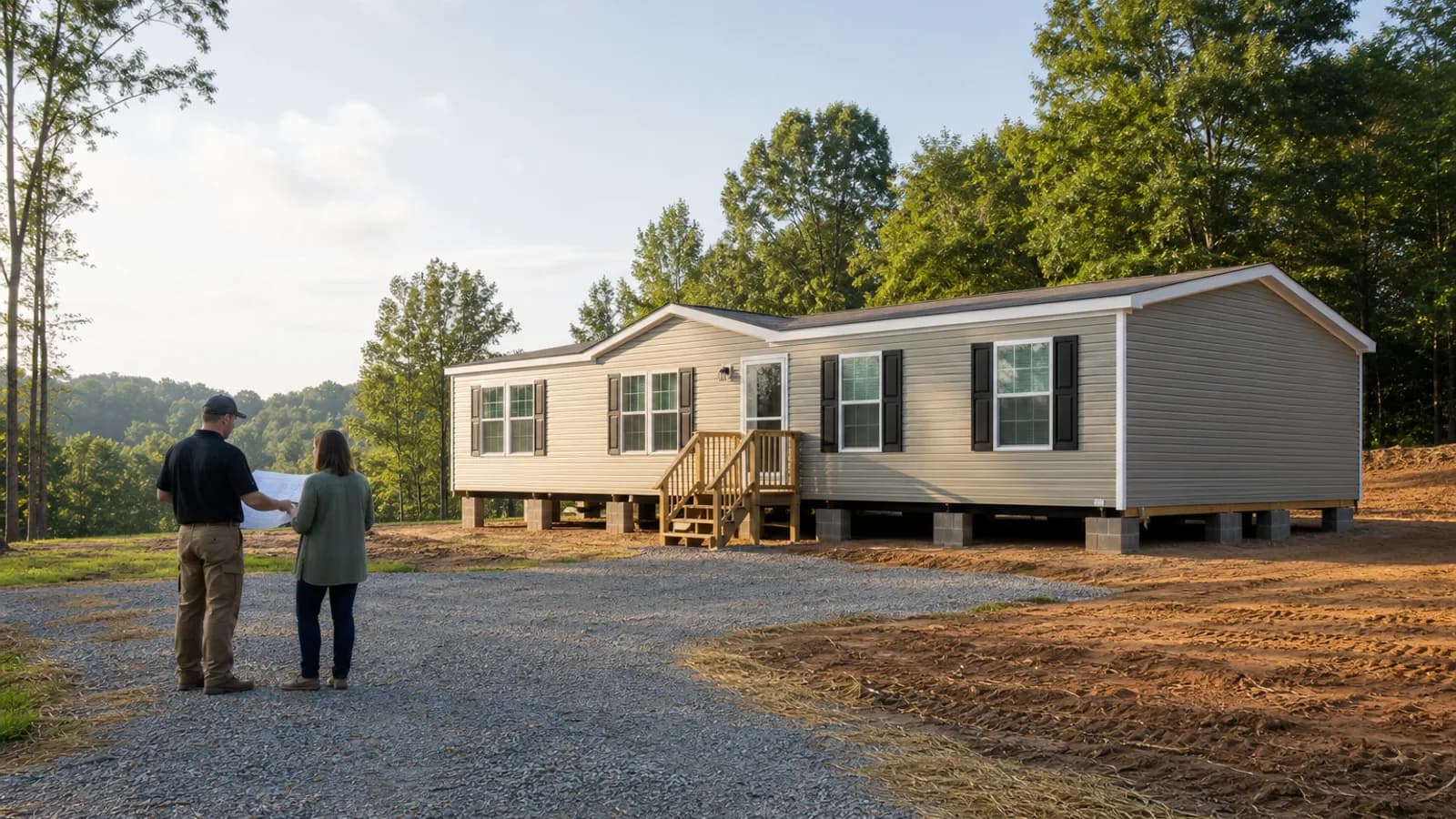
Inspection Path
Inspections usually happen after permits and setup work begin, but the inspection path should be understood before delivery because failed or missing items can delay occupancy.
Short answer: A rough or in-progress inspection usually reviews permitted work while required parts remain visible; a final inspection asks whether the applicable permitted scope is complete at that checkpoint. Those labels do not create one statewide manufactured-home order, and a passed trade final does not automatically close the building permit, release a utility, or authorize occupancy. Get the project's inspection list from the responsible local office, assign each request to the permit holder or accepted requester, keep work accessible until that office confirms the checkpoint, and track every result and correction against the exact permit.
Reviewed by a manufactured home setup contractor and dealer.
Buying land for a mobile home? The Land Check reads the county's own permit rules for the one parcel you give us, and says where each answer came from and when.
$125. Asking takes no payment and places no order.
Start with the exact property, quote, record, or job detail behind your question. Mark what is confirmed, what still needs a current source, and who must answer it. Use the checklist to keep the next call, document, or decision clear.
Inspections connect the permit path to the physical setup of the home.
Foundation, blocking, tie-downs, utilities, steps, decks, and final occupancy items can all affect timing.
County requirements and inspector expectations should be confirmed locally before assuming the project is ready.
Step 1
Confirm which permits are open and which inspections are required before, during, and after setup.
Step 2
Coordinate the setup crew, electrician, plumber, HVAC, utility, deck or step work, and county inspection timing.
Step 3
Resolve inspection items before expecting final approval or a certificate of occupancy.
Details to Sort
Inspections verify that permitted work and setup items are ready for occupancy. They are not a substitute for zoning, septic, water, or permit approval.
Manufactured home setup can involve piers, blocking, anchors, tie-downs, marriage line details for double wides, and other setup requirements that should match the approved plan.
Electrical inspections may involve service equipment, connection timing, utility coordination, and work by a licensed electrician depending on the project.
Plumbing and utility connections may need to coordinate with septic or sewer approval, water source, pressure, trenching, and final connection checks.
HVAC setup, exterior steps, decks, handrails, landings, skirting, and access items can affect inspection or occupancy depending on the county and scope.
Final approval or a certificate of occupancy may require permits, setup, utilities, required exterior items, and inspection corrections to be complete.
Permits authorize and track the work; inspections confirm the work has been completed to the local requirements. Skipping early permit questions can create late inspection delays.
An in-progress or rough checkpoint lets the inspector review applicable work before later construction hides or restricts it. A final checkpoint addresses completion of the permit or inspection scope named by the local office. Some manufactured-home projects also have footing, setup, underside, marriage-line, utility, wastewater, access, zoning, correction, and overall-final records. Confirm the actual list and order locally; examples from another county do not authorize concealment or prove readiness.
Write down the permit, inspection type, requester, responsible provider scope, visibility and access conditions, required document, result, correction owner, reinspection path, and the next task that may proceed. This prevents a passed rough inspection from being mistaken for a trade final, a passed trade final from being mistaken for utility service, or a final inspection from being mistaken for an issued occupancy record.
For every checkpoint, record the permit and inspection name, responsible scope, permit holder or accepted requester, prerequisites, work or documents that must remain accessible, requested date, result, correction reference, responsible correction party, reinspection status, utility-release dependency, and final closeout document. This is a coordination record, not a homeowner inspection or technical construction instruction.
Ask the Pro
Use Ask a Pro to organize one focused question before contacting the permit holder, local office, or qualified provider. It does not interpret code or confirm inspection readiness.
Related check
These closeout activities may involve different responsible parties and different inspection or documentation checkpoints.
Secondary Support
Use the project router first, then share details for review if you still need help organizing the project context. This does not guarantee a provider match or availability.
The useful question is which permit and work the local office expects to inspect before concealment, backfill, skirting, enclosure, or finish work—not the label alone.
Next step: Ask the inspection office for the exact inspection type, required visible work, access, documents, tests, and requester before the next layer of work begins.
An electrical, plumbing, mechanical, setup, or other final can close one permitted scope while other permits, corrections, agency holds, utility steps, or the overall final remain open.
Next step: Record which permit the final covers and ask what later result it supports. Do not label the whole project complete from one trade status.
Provider completion does not establish that every prerequisite is complete, required work remains visible, the accepted requester has scheduled the right inspection, or the result closes utility-release and occupancy dependencies.
Next step: Match the provider's completion record to the exact permit and inspection name, then confirm requester, access, visibility, prerequisite, correction, reinspection, release, and closeout requirements with the responsible local office.
Requirements vary, but common inspection areas can include setup, foundation or blocking, tie-downs, electrical, plumbing, HVAC, steps or landings, utilities, and final approval.
Many projects need final local approval before occupancy, but the exact document and process should be confirmed with the county or city inspection office.
We can help you organize the early questions around zoning, access, utilities, septic, well, grading, delivery, and setup so you know what to verify before spending more money.
No. Many people reach out before buying land so they can understand what to check before they commit to a parcel.
Many people use the terms interchangeably. Manufactured home is the modern professional term, but mobile home is still common in search, county records, and everyday conversations.
Each link was checked on the date shown. The office that issued it decides your parcel, not this page.
North Carolina state source · checked 2026-08-31
Current statewide source for inspection-department duties, permit-holder inspection requests, notice of work that does not meet applicable code, correction orders, and records. It does not assign private contract responsibility.