Plain-English overview
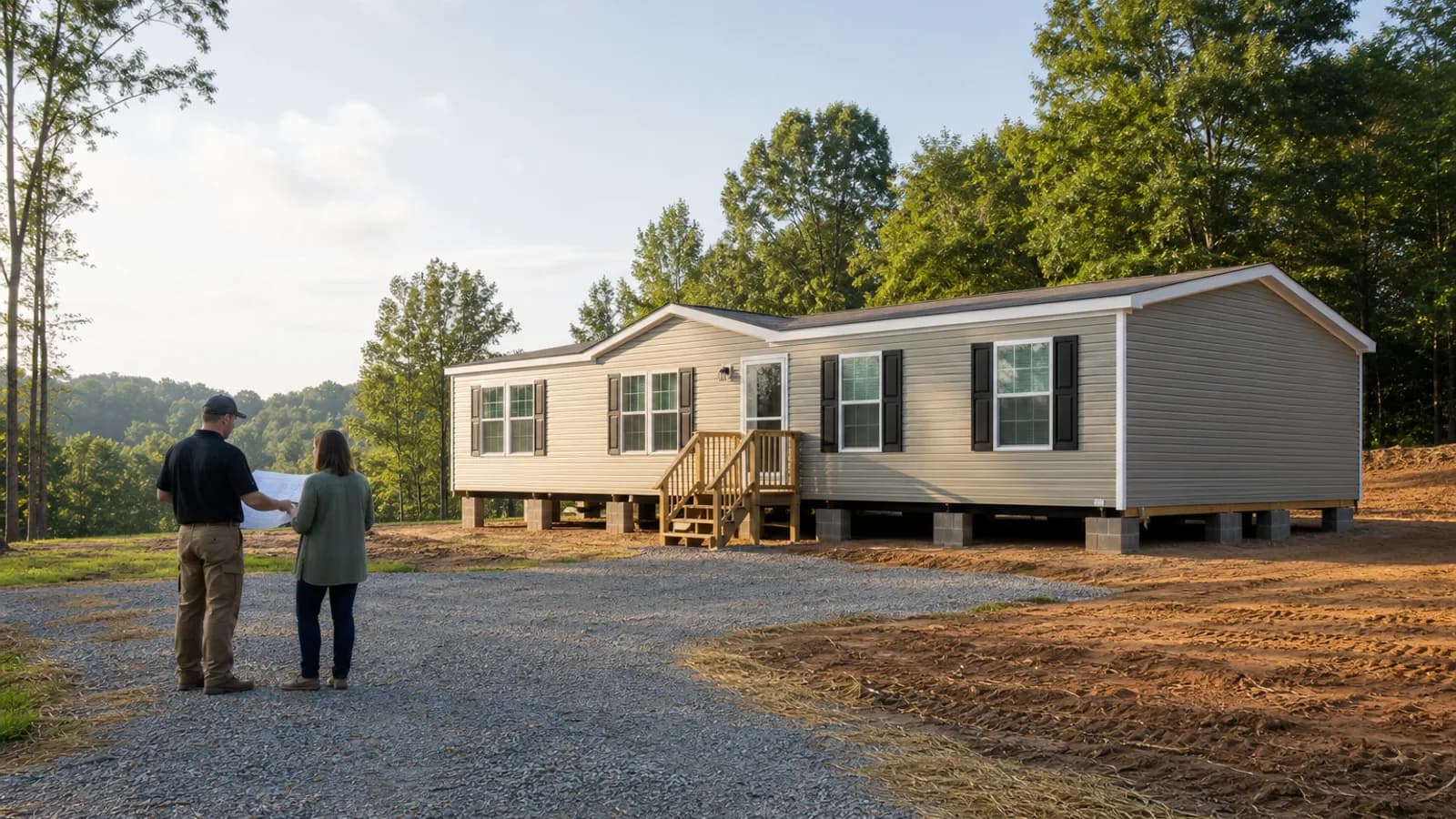
A manufactured home permit path usually starts with whether the land is allowed to have the home, then moves through utilities, site access, setup, inspections, and final approval. The exact office names and order can vary by county.
Common permits and approvals
Common categories include zoning or land-use approval, septic or sewer approval, well or public water confirmation, driveway or culvert approval, building or manufactured home placement permits, electrical permits, setup inspections, and final occupancy approval.
Zoning and land-use approval
Planning or zoning may review whether manufactured homes, mobile homes, double wides, moved homes, or replacement homes are allowed on the parcel. Setbacks, district rules, city limits, and home type can matter.
Septic permit and environmental health
If public sewer is not available, environmental health may need to review soil, septic suitability, existing system records, repair area, and system sizing before a home can be approved.
Well permit or public water confirmation
A project may need a new well permit, existing well review, public water availability, or utility connection confirmation. Water source planning should be checked with septic and the site plan.
Driveway, access, and culvert considerations
Road frontage, driveway location, culvert needs, delivery access, turn radius, private roads, and entrance permits can affect whether the home can physically reach the site and pass local review.
Building or manufactured home placement permit
Many counties use a building, setup, placement, or manufactured home permit to track the home installation. The permit package may depend on zoning, septic, water, address, contractor, and home information.
Electrical and power connection
Power service, meter base, service pole or pedestal, utility coordination, and electrical inspections can affect setup timing. A licensed electrician may be needed depending on the scope.
Foundation, setup, and final inspections
Setup work can involve foundation or pier requirements, blocking, tie-downs, marriage line items for double wides, plumbing, HVAC, steps, decks, landings, skirting, and final inspection or certificate of occupancy steps.
New, replacement, or moved home
A new home, replacement home, or existing home being moved may not follow the same path. Older mobile homes can raise age, title, inspection, transport, or setup questions that should be confirmed early.
Why county requirements vary
Requirements vary by county, city, zoning district, property conditions, and project type. Homeowners should confirm current requirements with local planning, zoning, building inspections, and environmental health offices.
What to check before ordering the home
Before ordering, confirm the property can legally receive the home, septic or sewer and water are workable, access is realistic, the permit path is understood, and required contractors can fit the project timeline.
Separate planning jurisdiction from inspection jurisdiction
Confirm which local government handles land-use rules and which inspection department issues and inspects the setup, building, electrical, plumbing, mechanical, or other permits. Record any Environmental Health, road, utility, fire, flood, or other prerequisite as a separate authority lane rather than assuming the building permit decides it.
Create a permit responsibility and evidence table
For every approval, record the responsible office, applicant, permit holder, license or authorization question, required documents, fee status, prerequisite, inspection stage, scheduling owner, correction owner, release, expiration or restart question, and final closeout record. This organizes the project; it does not determine who is legally allowed or required to act.
Create a plan-revision and resubmission register
For each request, record the permit or application, reviewing office, date, exact comment, affected sheet or document, original preparer, qualified revision owner, private scope owner, response evidence, added authority fee, provider or professional fee, change authorization, resubmission date, new status, and downstream hold. Do not rewrite technical comments or assign fault from a general webpage.
Keep authority correction and private change responsibility separate
An authority may require revised information or corrected work, while the dealer agreement, design engagement, setup scope, trade contract, allowance, owner-supplied item, or later change may assign private responsibility differently. Use Review My Quote for a bounded written-scope issue and Project Consulting when several records or parties conflict; neither product issues a permit or interprets legal responsibility.
Use one permit dependency ledger
For each authority record, list the exact office, parcel and home, application or permit number, applicant or permit holder, submitted version, current status, prerequisite, reviewer request, revision owner, fee question, inspection dependency, expiration question, and final document. This keeps a planning approval from being mistaken for a building permit and keeps an issued permit from being mistaken for completed inspections or occupancy authorization.
Define what permitting assistance includes
If a dealer or provider offers permit help, ask whether the written scope covers jurisdiction confirmation, zoning or land use, wastewater and water documents, address and access, site-plan preparation, manufactured-home placement or setup, trade permits, inspection requests, corrections, reinspections, utility release, occupancy, fees, expiration, and closeout copies. Assistance does not transfer the authority's decision or prove that every lane is complete.