My Manufactured Home Guide

Setup Problem Guide

Manufactured home setup problems in North Carolina

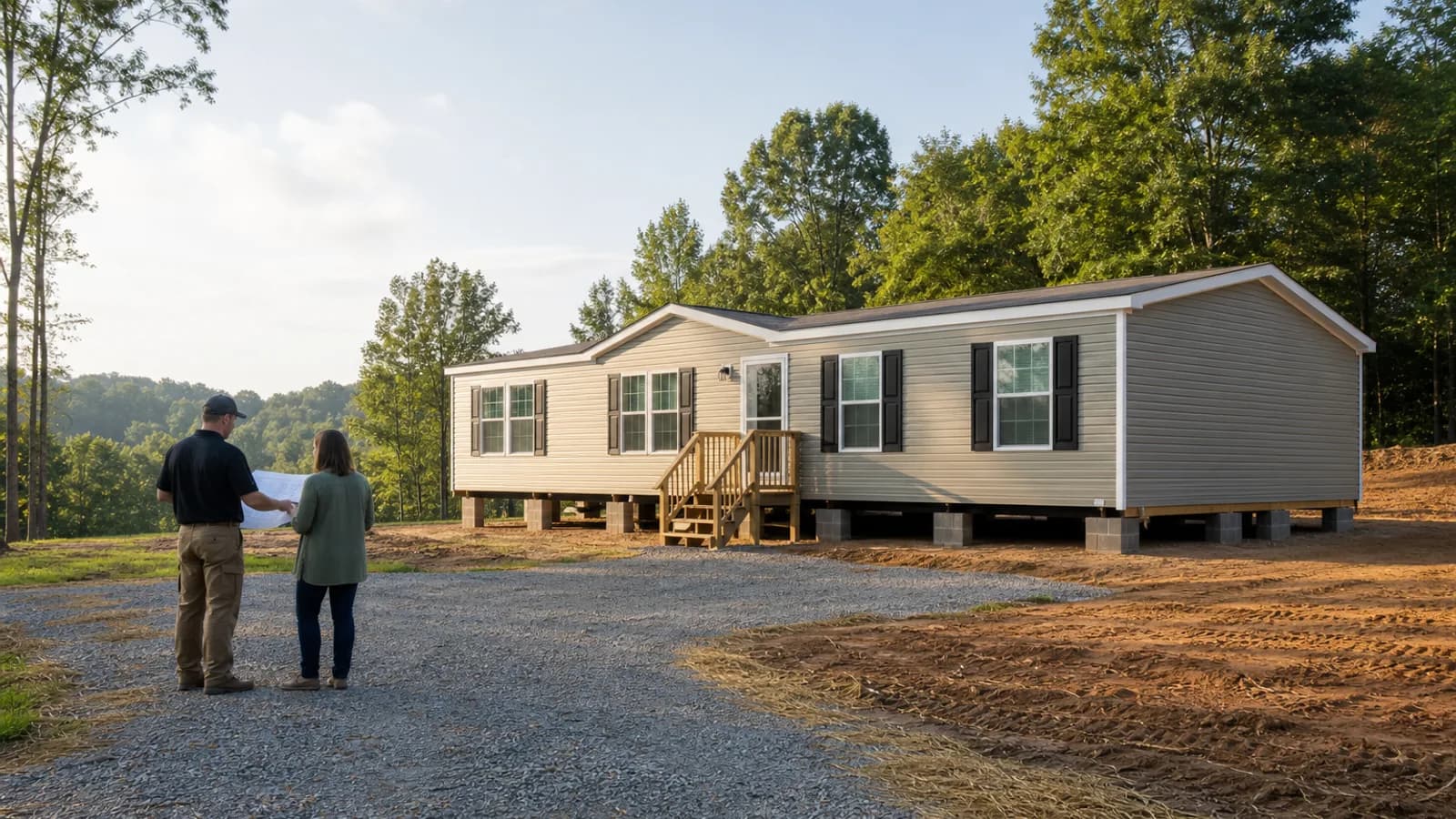
When a manufactured or mobile home has been delivered but setup feels unfinished, several separate scopes may be involved. Clear documentation helps distinguish setup work, utility connections, trade work, finish items, and inspection corrections.

Short answer: List every incomplete or disputed item without trying to diagnose it, compare that list with written dealer and contractor scopes, and identify which qualified provider or local office can evaluate each category. Treat urgent safety concerns as professional inspection questions, not DIY projects.

Choose the next action

Is the open setup issue documented well enough to assign the next qualified scope?

Choose the option that matches what you need now. Requests stay private. My Manufactured Home Guide does not publish provider results or promise a match, approval, or response.

Most relevant product

Organize a multi-party setup issue register

Project Consulting can help organize written setup, foundation, utility, trade, inspection, correction, finish, warranty, and responsibility records when the next owner is unclear.

Project Consulting is quote-only. It does not promise project management, dispute resolution, provider response, schedule recovery, or project completion.

Provider help by need and ZIP

What do you need help with?

Tell us what you need and enter your ZIP Code. Continue to the existing private request for review.

Use provider help only for a defined setup or installation scope. The request does not diagnose the home, assign fault, promise emergency help, or show provider availability.

Have one specific question?

Get help choosing what to verify next

Ask a Pro can help you organize one practical next-step question. It does not replace the responsible office, utility, contract party, or qualified professional.

Ask your question

What to check first

Use the short answer above, then work through the property facts, local requirements, budget questions, and next call that apply to your situation.

Separate setup scope from electrical, plumbing, HVAC, utility, skirting, step, deck, grading, and inspection work.

Document visible concerns, unfinished items, written scopes, inspection notes, and prior communications without assigning blame.

Route technical, structural, anchoring, utility, and safety questions to qualified providers rather than attempting repairs from general guidance.

Plan Your Next Step

Use these checks before you move forward.

An inspector issued a correction notice

The notice identifies an observed item and reinspection path, but it may not identify the contract party responsible for correction.

Preserve the exact notice, ask the issuing office what evidence and reinspection step it requires, and send the item to the qualified party whose written scope covers it.

The condition may be urgent or unsafe

Gas odor, electrical danger, active flooding, fire, unsafe access, structural movement, or another immediate hazard is not a routine project-routing question.

Keep away from the hazard and contact emergency services, the utility, manufacturer, or the appropriate qualified professional for the actual condition.

Several providers point to one another

The project may be missing a shared dependency, current document, named correction owner, or handoff between setup, foundation, utilities, trades, inspection, and finish work.

Create one issue register with location, evidence, controlling document, prerequisite, scope owner, correction status, and next confirmation.

Step 1

Create a dated list of incomplete items and collect the dealer quote, setup agreement, photos, inspection notes, and provider communications.

Step 2

Group each item under setup, foundation or support, anchoring, utility, trade, trim-out, exterior access, grading, or inspection correction.

Step 3

Ask the responsible provider or office to evaluate its category and use the intake to organize unresolved handoffs or missing scopes.

Details to Sort

The checks that usually matter before you commit money.

Setup scope confusion

Delivery, placement, foundation or support, blocking, leveling, anchoring, multi-section joining, trim-out, utilities, exterior access, and inspections may not all belong to one contract. Written scope matters more than assumptions about what setup should include.

Blocking, leveling, and tie-down concerns

Questions about support, level, anchors, tie-downs, movement, or structural condition need evaluation by qualified setup, inspection, engineering, or other appropriate professionals. This page does not diagnose conditions or provide repair instructions.

Utility and trade connection gaps

Electric service, plumbing, water, sewer or septic connection, HVAC startup, and utility release can involve separate providers and inspections. Confirm what is complete, who owns each scope, and what approval or correction remains open.

Trim-out, exterior access, and completion items

Interior or exterior trim, marriage-line finish work, skirting, steps, decks, landings, grading touch-ups, driveway repairs, and cleanup may be separate completion categories. Compare each item with contracts and local inspection notes.

Inspection corrections and documentation

Keep correction notices, inspection results, permit references, photos, dates, and written provider responses together. Ask the issuing office what must be rechecked and the responsible qualified provider what work falls within its scope, without assuming the guide can determine liability.

Use an issue register instead of one general complaint

Give each item a location, safe observation, date, photo, relevant contract or manual, inspection reference, provider category, responsible-scope question, dependency, promised next step, and completion evidence. Keep warranty, insurance, public-authority, and private-contract questions separate. Project Consulting can help organize a connected record, but it does not inspect the home, assign liability, resolve a dispute, or promise provider response.

Sources And Boundaries

Official starting points, with local verification still required.

Sources were reviewed August 6, 2026. Statewide guidance and county process pages answer different questions. Confirm current, property-specific requirements with the responsible authority and qualified professionals.

Common questions

What should I do if my manufactured home setup is not finished?

Document the incomplete items, compare them with written scopes, and ask the relevant dealer, setup provider, trade, utility, or inspection office about its category. Avoid making technical corrections without qualified evaluation.

Who is responsible for setup corrections?

Responsibility depends on contracts, permits, inspection findings, and the actual work performed. My Manufactured Home Guide can help organize the categories but does not assign fault or provide legal conclusions.

Can this guide tell me whether the home is level or safely anchored?

No. Leveling, support, anchoring, structural, and safety concerns require evaluation by qualified professionals who can inspect the actual home and site.

Can My Manufactured Home Guide tell me if my land will work?

We can help you organize the early questions around zoning, access, utilities, septic, well, grading, delivery, and setup so you know what to verify before spending more money.

Do I need to own land before asking for help?

No. Many people reach out before buying land so they can understand what to check before they commit to a parcel.

Is mobile home the same thing as manufactured home?

Many people use the terms interchangeably. Manufactured home is the modern professional term, but mobile home is still common in search, county records, and everyday conversations.