
Utilities and trade work
Electric, plumbing, HVAC, water, sewer, septic connection, or gas work may require qualified or licensed professionals. Confirm what was completed during setup and what still needs inspection.
After Delivery
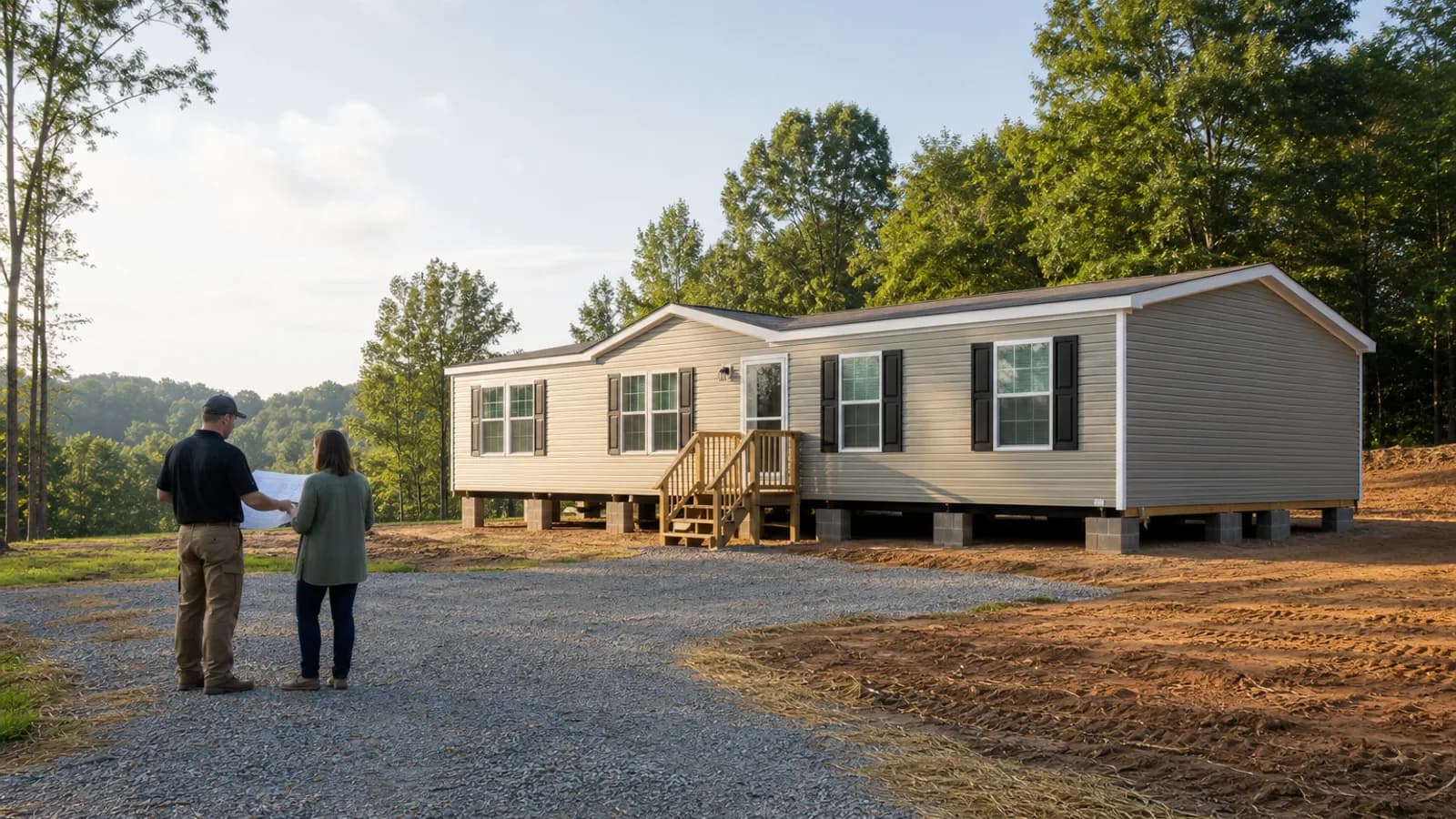
After a manufactured home arrives or is set, the project may still need utility connections, inspections, exterior work, final approvals, and punch-list help.
Short answer: After delivery, create one dated evidence register before signing completion or authorizing unrelated repair. Separate delivery damage, incomplete contracted work, installation or trade corrections, safety or occupancy blockers, finish items, site restoration, maintenance, and possible warranty concerns. For each item, keep photos, location, date observed, controlling agreement or warranty, written notice sent to the responsible party, response, access or inspection prerequisite, repair authorization, completion evidence, and remaining closeout record. Use the current North Carolina and federal consumer paths only for issues within their stated scope; they do not replace written notice to the seller, manufacturer, installer, provider, insurer, lender, local authority, or qualified adviser that controls another part.
Reviewed by a manufactured home setup contractor and dealer.
Buying land for a mobile home? The Land Check reads the county's own permit rules for the one parcel you give us, and says where each answer came from and when.
$125. Asking takes no payment and places no order.
Start with the exact property, quote, record, or job detail behind your question. Mark what is confirmed, what still needs a current source, and who must answer it. Use the checklist to keep the next call, document, or decision clear.
Delivery is not always the finish line.
Post-delivery needs can include electric, plumbing, HVAC, utility connections, steps, decks, skirting, grading, driveway work, repairs, and inspections.
Final approval or occupancy timing can depend on county requirements, contractor completion, and utility readiness.
Step 1
List what is complete, what was excluded from the dealer or setup scope, and what the inspector or utility provider still requires.
Step 2
Separate safety or approval blockers from finish items, repairs, grading touch-ups, driveway work, decks, steps, and skirting.
Step 3
Confirm whether licensed contractors are required before scheduling final inspections or occupancy-related steps.
Details to Sort
Electric, plumbing, HVAC, water, sewer, septic connection, or gas work may require qualified or licensed professionals. Confirm what was completed during setup and what still needs inspection.
Many homes still need safe entry steps, landings, decks, skirting, handrails, ramps, or code-related exterior items before final approval or comfortable daily use.
The county or city may need to inspect setup, foundation, tie-downs, utility connections, electrical, plumbing, HVAC, steps, landings, or other items before final approval.
Grading touch-ups, drainage, driveway repair, trim-out, minor repairs, utility trench cleanup, or stormwater issues may need attention after the home is placed.
Keep the local permit, inspection, correction, reinspection, utility-release, and occupancy records in an authority file. Keep quotes, agreements, approved changes, completion promises, cleanup, and by-others work in a scope file. Keep manufacturer, retailer, installer, appliance, equipment, and provider warranties and notice records in separate warranty files. Link the same punch-list item across files when needed, but do not treat one response as a decision for every lane.
Identify the home and applicable document without publishing private identifiers; describe one observable condition and location; record when it was observed; attach clear dated photos or records through the party's protected channel; cite the relevant agreement or warranty section when known; ask who owns inspection and authorization; state access or safety limits; and request a written response, next step, and record number. Do not diagnose concealed work or direct a technical repair.
A local inspection correction, North Carolina manufactured-home program complaint, federal dispute-resolution question, private contract disagreement, lender or insurer issue, and urgent safety concern are different lanes. Read the current official scope and eligibility information before submitting anything, and use qualified legal advice for rights or contract interpretation. My Manufactured Home Guide does not file a complaint or contact another party for you.
Project Consulting
Use Project Consulting when delivery, setup, trade, inspection, warranty, site, and closeout records conflict. It does not decide fault, coverage, repair, or agency action.
Secondary Support
Use the project router first, then share details for review if you still need help organizing the project context. This does not guarantee a provider match or availability.
The same physical condition can create separate questions for the local authority, permit holder, retailer or installer scope, manufacturer or other warranty, and homeowner records. One lane does not automatically close the others.
Next step: Keep the inspector's wording unchanged, preserve the controlling scope and warranty documents, and ask each responsible source what notice, evidence, qualified work, access, or follow-up it requires within its own lane.
Coverage, notice timing, inspection, authorization, repair, reimbursement, and dispute terms can differ across the home, component, retailer, installer, provider, insurer, and written agreement.
Next step: Preserve the condition and documents, follow the controlling written notice path, and ask for written acknowledgment and next steps before arranging work that could alter evidence or coverage.
Conflicting explanations do not assign technical, contractual, payment, correction, or warranty responsibility.
Next step: Send each party the same bounded item, evidence, and relevant scope reference; request a written position and required next evidence; and preserve the unresolved conflict for qualified or official escalation.
Not necessarily. Occupancy may depend on setup completion, utilities, inspections, steps or landings, final approvals, and local requirements.
Depending on the project, you may need electricians, plumbers, HVAC contractors, setup contractors, deck or steps contractors, skirting contractors, grading contractors, or repair help.
We can help you organize the early questions around zoning, access, utilities, septic, well, grading, delivery, and setup so you know what to verify before spending more money.
No. Many people reach out before buying land so they can understand what to check before they commit to a parcel.
Many people use the terms interchangeably. Manufactured home is the modern professional term, but mobile home is still common in search, county records, and everyday conversations.
Each link was checked on the date shown. The office that issued it decides your parcel, not this page.
North Carolina state source · checked 2026-08-31
Official North Carolina consumer guidance on written contracts, documents, final inspection, punch lists, and repair records. It does not decide an individual dispute.
North Carolina state source · checked 2026-08-31
Official state complaint starting point for matters within the Manufactured Building Division's stated scope. Review current instructions and use the responsible local or private lane for other issues.
Federal source · checked 2026-08-31
Official explanation of distinct federal regulatory, dispute-resolution, and optional warranty paths. State and project-specific processes still control.
Federal source · checked 2026-08-31
Official federal starting point for qualifying manufactured-home construction or installation disputes. Current eligibility, notice, timing, state-role, and documentation requirements control.
Federal source · checked 2026-08-31
Official homeowner resources for installation, manuals, maintenance, warranty, complaints, and responsibility questions.