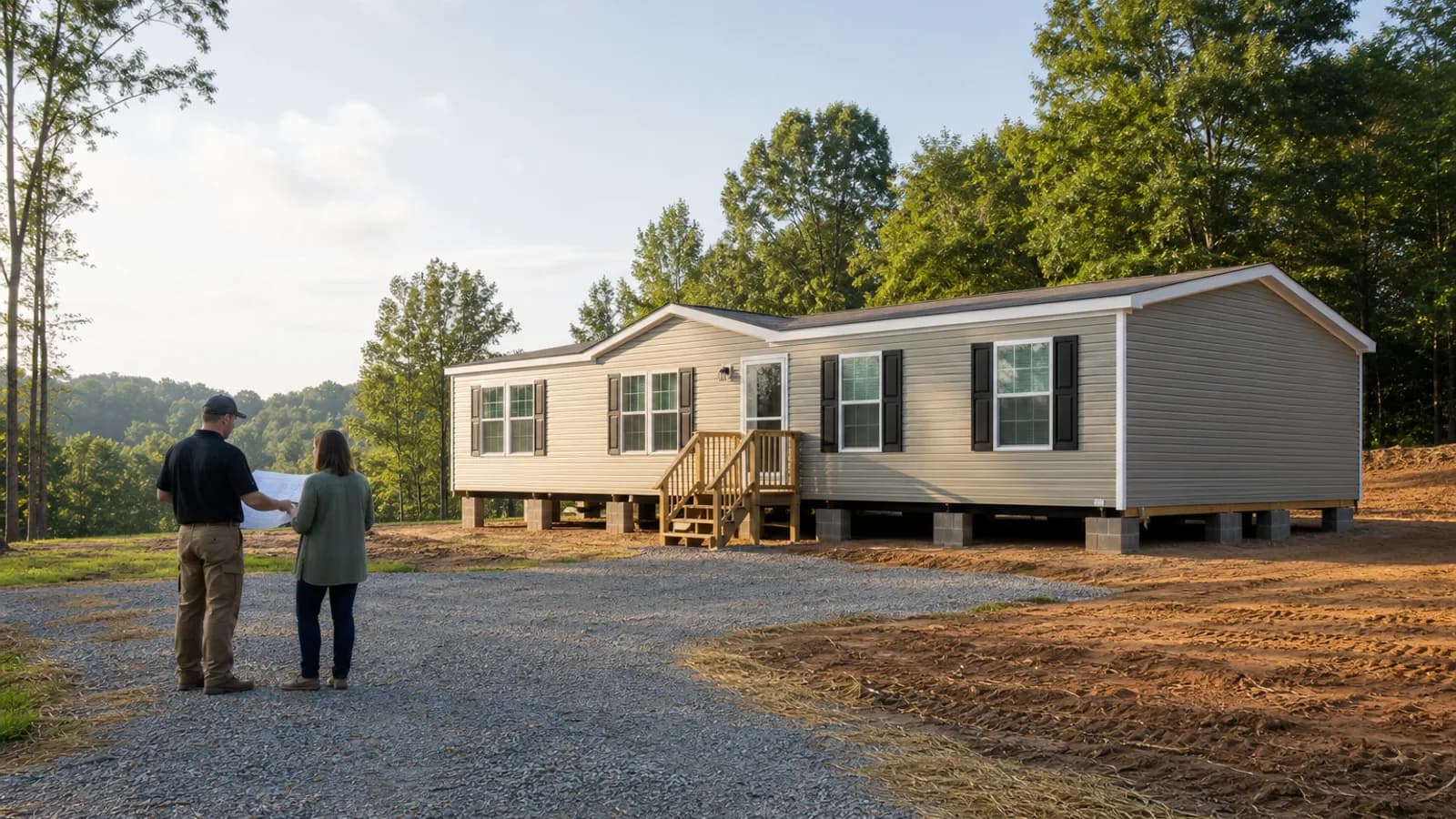
What unrestricted usually means
In many listings, unrestricted means the seller or agent is not aware of private deed restrictions or HOA rules. It is not the same thing as a county approval, septic permit, building permit, driveway permit, or utility approval.
Rules that can still apply
County zoning, city jurisdiction, environmental health, septic suitability, well separation, setbacks, floodplain, wetlands, driveway access, road frontage, power service, and delivery constraints can still apply to unrestricted land.
Red flags in land listings
Be careful with listings that say unrestricted but do not mention septic, water, power, road frontage, slope, floodplain, access, restrictions, or whether manufactured homes have been confirmed with the local office.
What to verify first
Before relying on unrestricted language, confirm the parcel with planning/zoning, environmental health, utilities, driveway/access requirements, deed records, and any subdivision or private road documents.
Create an unrestricted-claim evidence table
Use separate rows for public zoning or land-use rules, private deed restrictions and covenants, plat notes, easements, road maintenance and legal access, wastewater, water, utilities, flood or environmental indicators, home age or appearance questions, site fit, delivery movement, and permits. Note the official or qualified source, date checked, exact parcel, result, limitation, and unresolved follow-up instead of compressing the evidence into one unrestricted label.
Do not turn the listing phrase into a provider scope
Before asking a clearing, grading, driveway, septic, well, electrical, foundation, or setup provider to quote work, document the responsible jurisdiction, current public land-use answer, available recorded restrictions and easements, proposed home and homesite, wastewater and water path, legal and physical access, utilities, delivery, site constraints, and permit dependencies. Providers can quote defined private work; they do not make the parcel unrestricted, approve the use, or replace the responsible authority or qualified legal, title, survey, engineering, or environmental source.