
Ownership and purchase status
Do you own the land, have it under contract, plan to buy it, or hope to use family land? Ownership affects due diligence, financing, permission, and timing.
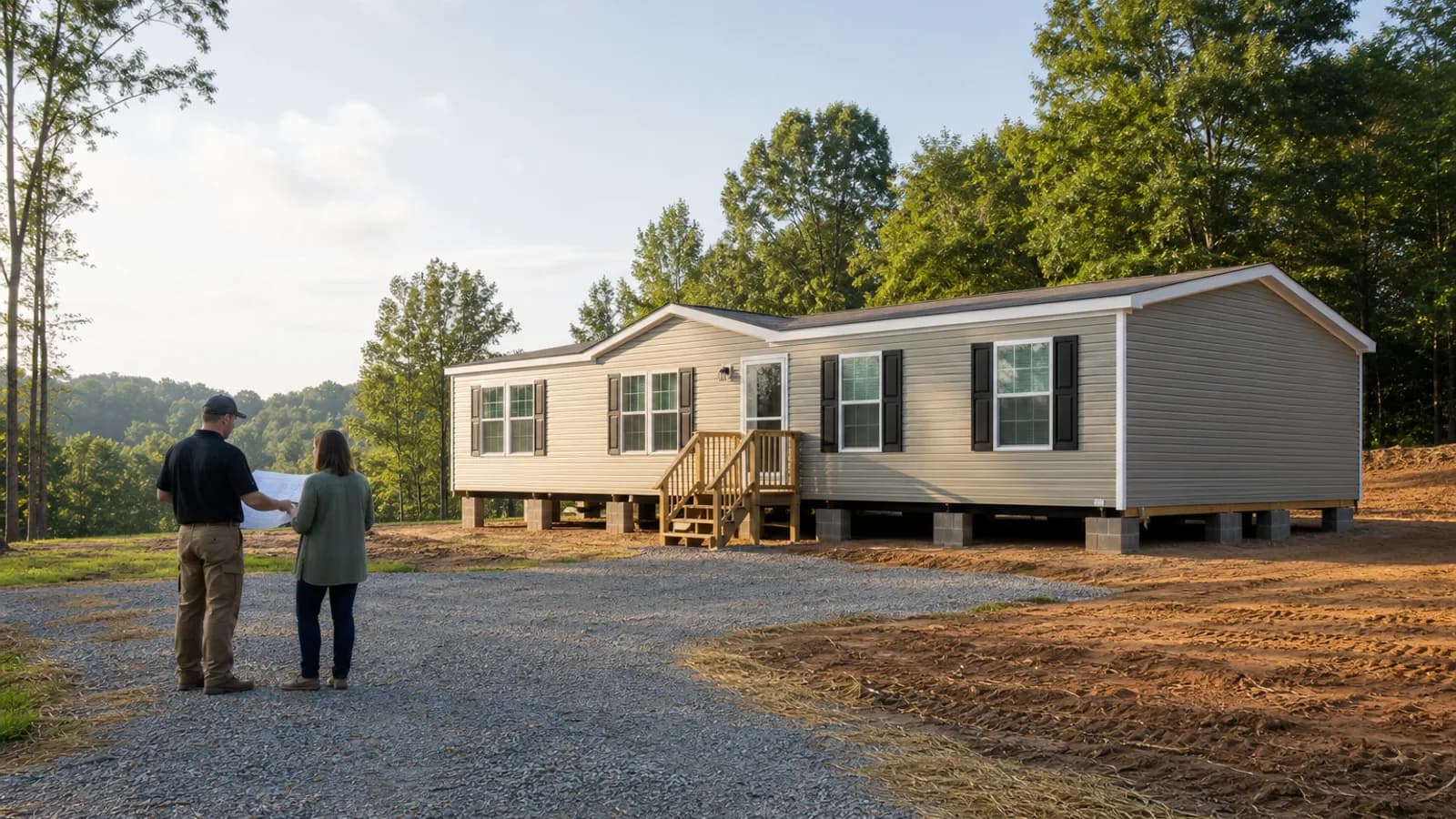
Land Checklist
Use this checklist before buying land, ordering a mobile home, moving one, replacing an older home, or assuming a parcel is ready. People call it a trailer home; the county's paperwork says manufactured home, and none of this covers a travel trailer or RV.
Short answer: A good land check separates ownership, zoning, septic, water, access, utilities, grading, setbacks, restrictions, home type, delivery, financing, contractors, permits, and timeline.
Reviewed by a manufactured home setup contractor and dealer.
Buying land for a mobile home? The Land Check reads the county's own permit rules for the one parcel you give us, and says where each answer came from and when.
$125. Asking takes no payment and places no order.
Start with the exact property, quote, record, or job detail behind your question. Mark what is confirmed, what still needs a current source, and who must answer it. Use the checklist to keep the next call, document, or decision clear.
A fast way to organize what is known, unknown, and risky about a parcel.
Helpful before buying land, buying a home, calling contractors, or applying for permits.
Designed for manufactured home, mobile home, double wide, family land, and replacement-home questions.
Step 1
Collect the parcel, county, ownership or purchase status, listing, and any known restrictions.
Step 2
Work through zoning, septic, water, access, power, grading, setbacks, delivery, financing, contractors, permits, and timeline.
Step 3
Submit the details if you are not sure which missing item should be checked first.
Details to Sort
Do you own the land, have it under contract, plan to buy it, or hope to use family land? Ownership affects due diligence, financing, permission, and timing.
Check zoning district, city limits, manufactured-home allowance, home age or size rules, setbacks, deed restrictions, covenants, HOA language, and the permit path before assuming the project can move forward.
Confirm septic or sewer, perc status, repair area, well or public water, road frontage, driveway or culvert needs, delivery access, power distance, and utility coordination.
Consider slope, drainage, clearing, pad or foundation, driveway, decks, steps, skirting, electrician, plumber, HVAC, setup crew, transport, inspection timing, and whether the home can physically reach the site.
Ask whether land, home, site work, permits, utility work, setup, and after-install needs are included in the budget or loan path. Missing land costs are often discovered too late.
Manufactured Home Land Check
A Manufactured Home Land Check organizes these items for your property — what is answered, what is open, and who to ask. It does not decide zoning, septic, or permit outcomes.
Related check
Some land questions depend on timing; others depend on reconciling documents that describe the same property differently.
Secondary Support
Use the project router first, then share details for review if you still need help organizing the project context. This does not guarantee a provider match or availability.
Start with county/city zoning and septic or sewer feasibility. Those two checks often reveal whether the rest of the project is worth pricing.
Yes. Many people use mobile home language, and the same land-readiness issues often matter for modern manufactured homes, moved homes, replacements, and double wides.
We can help you organize the early questions around zoning, access, utilities, septic, well, grading, delivery, and setup so you know what to verify before spending more money.
No. Many people reach out before buying land so they can understand what to check before they commit to a parcel.
Many people use the terms interchangeably. Manufactured home is the modern professional term, but mobile home is still common in search, county records, and everyday conversations.